
The dreaded stick drift. The unresponsive button. The battery that barely lasts a single session. For gamers, these are not just minor annoyances; they are the death knells of a beloved piece of hardware. In an era of high-fidelity graphics and immersive worlds, the physical interface connecting us to these experiences often feels frustratingly fragile. Every time a premium ps4 pro controller or its equivalent succumbs to wear and tear, we are faced with a stark choice: attempt a complex and often-unsupported repair, or contribute to the growing mountain of electronic waste by simply buying a new one. This cycle of use, failure, and replacement has become the accepted norm, but it doesn't have to be.A new philosophy is emerging in the world of gaming peripherals, one that challenges the very idea of planned obsolescence. It champions longevity, durability, and, most importantly, repairability. This approach isn't just about saving money; it's a comprehensive vision for a more sustainable and user-empowering future in gaming. It redefines a controller's value not by its initial flashiness, but by its ability to endure, adapt, and be maintained over thousands of hours of play. This article explores the key pillars of this forward-thinking design ethos, from the foundational structural choices to the cultural shift it inspires.
Table of contents:
The Blueprint for Durability: A Structural Design Philosophy
Built to Last: The Science of Material Durability
Empowering the Player: The Core of Repair-Friendly Design
Beyond the Hardware: The Role of Software and Firmware Support
The Safety Net: After-Sales Support and Technical Services
Closing the Loop: Eco-Conscious Recycling and Remanufacturing
The lifespan of a controller begins on the drawing board. A design centered on longevity and repairability is fundamentally different from one optimized for cheap, high-volume assembly.
Modular Design: The single most impactful feature of a repair-friendly controller is modularity. Imagine a controller where the joystick modules, the D-pad, and even the main circuit board can be individually removed and replaced with minimal effort. When the left stick starts to drift, you wouldn't need to discard the entire device. Instead, you could simply order a new joystick module, unplug the old one, and plug in the new one. This concept, long standard in the PC building world, transforms a catastrophic failure into a minor, affordable maintenance task.
Rapid Disassembly: Glued-down components and a labyrinth of hidden clips and proprietary screws are the enemies of repair. A controller built for the long haul utilizes smart structural design. This means using a minimal number of standardized screws, implementing user-friendly snap-fit enclosures that can be opened without breaking, and ensuring internal components are laid out logically. The goal is to allow a user with basic tools and a good tutorial to open, service, and reassemble the device without causing accidental damage.
Proactive Protection: Longevity isn't just about surviving repairs; it's about avoiding them in the first place. Thoughtful design includes preventative measures. Internal gaskets around seams and button openings can provide a degree of dust and moisture resistance, protecting the sensitive electronics from the number one cause of premature failure: environmental contaminants. Similarly, a robust internal chassis and shock-absorbing materials can drastically increase a controller's resilience to accidental drops, a common fate for any well-used gamepad.

A strong structure is nothing without materials that can withstand the physical stress of intense gaming. The choice of plastics, metals, and electronic components is a critical factor in a controller's long-term performance.
Resilient Shells and Buttons: The controller's shell is its first line of defense. High-quality ABS or polycarbonate plastics offer superior impact resistance and are less prone to creaking or flexing under pressure. Furthermore, advanced surface treatments can provide scratch resistance and, crucially, UV protection to prevent the yellowing that plagues older white or light-colored plastics. Below the surface, the button mechanisms are paramount. Instead of cheap rubber dome membranes that degrade over time, durable designs employ high-grade mechanical micro-switches, often rated for tens of millions of clicks. This ensures that every button press feels consistent and reliable for years.
The War on Stick Drift: Analog sticks are the most common point of failure. A durable design addresses this head-on. This involves using hard-wearing materials like POM (Polyoxymethylene) at the base of the joystick to reduce friction and powdering. The stick itself should be a solid metal shaft, eliminating the weak point where plastic shafts can bend or snap. By investing in these wear-resistant components, manufacturers can dramatically extend the life of the analog sticks and postpone the onset of drift.
True repairability goes beyond just good design; it requires a support system that empowers the user to take control of their hardware's lifecycle.
Standardized Components and Interfaces: A controller that uses proprietary, unlabeled parts holds its owner hostage. A repair-friendly model embraces standardization. This means using common connectors for internal components like batteries and rumble motors, allowing users to source replacements from multiple suppliers. Every key component should have a clear, independent part number, making it easy to identify and order the exact piece needed.
Accessible Replacement Parts: A design is only as repairable as its parts are available. A commitment to longevity means ensuring a steady supply of the most commonly needed replacement parts. This includes joystick modules, replacement batteries, button sets, and even new shells for users who want to refresh their controller's look. Selling these parts directly to consumers at a fair price is the ultimate sign of a manufacturer's confidence in their product and respect for their customers.
DIY Guidance: Not everyone is a born technician. To bridge this gap, manufacturers should provide comprehensive support for DIY repairs. This includes detailed, step-by-step PDF guides with clear diagrams, high-quality video tutorials that walk users through the entire process, and recommendations for the specific tools required. This support transforms repair from a daunting task into an accessible and rewarding experience.
A controller's brain is as important as its body. Ongoing software support is a powerful, often overlooked tool for extending a device's useful life.
Evolving with Firmware Updates: Regular firmware updates can breathe new life into an aging controller. These updates can optimize performance, reduce input latency, improve battery life, and even add compatibility with new platforms or features. A controller that can be updated remotely remains relevant and functional far longer than one that is static from the day it is manufactured.
Intelligent Diagnostics and Calibration: Modern software can help users proactively manage their hardware's health. A companion app or built-in diagnostic mode can run tests to detect early signs of component failure, such as minor stick deviation or intermittent button presses, alerting the user that maintenance may soon be required. More powerfully, software can offer calibration tools. For minor stick drift caused by wear, a user could use software to recalibrate the joystick's neutral point or adjust its deadzone, effectively fixing the problem electronically and postponing a physical repair.
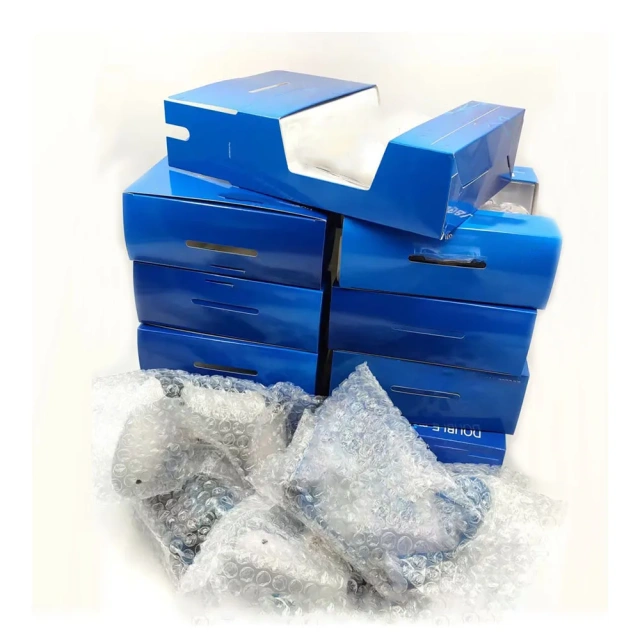
Even the most dedicated DIYer sometimes needs professional help. A robust after-sales service ecosystem is the final piece of the longevity puzzle.
Comprehensive Warranty and Repair Services: A long warranty period is a direct signal of a manufacturer's belief in their product's durability. Beyond the standard warranty, a commitment to repairability means offering affordable, out-of-warranty repair services. Instead of pushing customers to buy a new device, the company should provide a clear and simple process for sending a controller in for professional servicing.
A Complete Parts Supply Chain: For both DIYers and professional service centers, the integrity of the parts supply chain is everything. A manufacturer dedicated to this ethos ensures that a single broken component does not render the entire product useless. This commitment prevents the wasteful "bad thumbstick, buy a whole new controller" scenario and is a cornerstone of a sustainable business model.
A truly sustainable product lifecycle considers what happens at the very end. The goal is to divert as much material as possible from the landfill.
Design for Disassembly: This principle ensures that when a controller is truly beyond repair, it can be easily taken apart and its materials sorted for recycling. This means avoiding permanent glues and using plastics that are clearly labeled for proper processing.
Take-Back and Remanufacturing Programs: Forward-thinking companies offer channels for customers to return their old or broken controllers. These devices are not treated as waste but as a resource. They can be responsibly recycled, or better yet, enter a remanufacturing program. In this circular model, controllers are professionally refurbished, tested to meet original quality standards, and resold as a certified refurbished product. This reduces waste, conserves resources, and provides a more affordable entry point for other gamers.
Moving away from a throwaway culture requires a shift in mindset from both manufacturers and consumers. It means embracing a culture where maintenance is routine, repair is valued, and products are seen as long-term investments. Manufacturers can lead by promoting the benefits of durable designs, sharing tips to extend product life, and engaging with their communities through forums and DIY showcases. A holistic approach—combining smart design, durable materials, user empowerment, and a circular end-of-life plan—is key to the future of responsible gaming hardware. While this philosophy is still growing in a market dominated by disposable electronics, some manufacturers are embracing it. Companies like Foshan LQJP Technology Co., Ltd, focused on durable, accessible alternatives for platforms like the PS4, are part of this shift. Their approach, offering reliable and serviceable products, mirrors the feel of a customized PS4 controller in durability and user focus. They exemplify a movement prioritizing longevity and player empowerment over planned obsolescence, ensuring gamers can invest with confidence in gear built to last, session after session, year after year.


